
A Guide to Roadway Gratings in Canada
Introduction
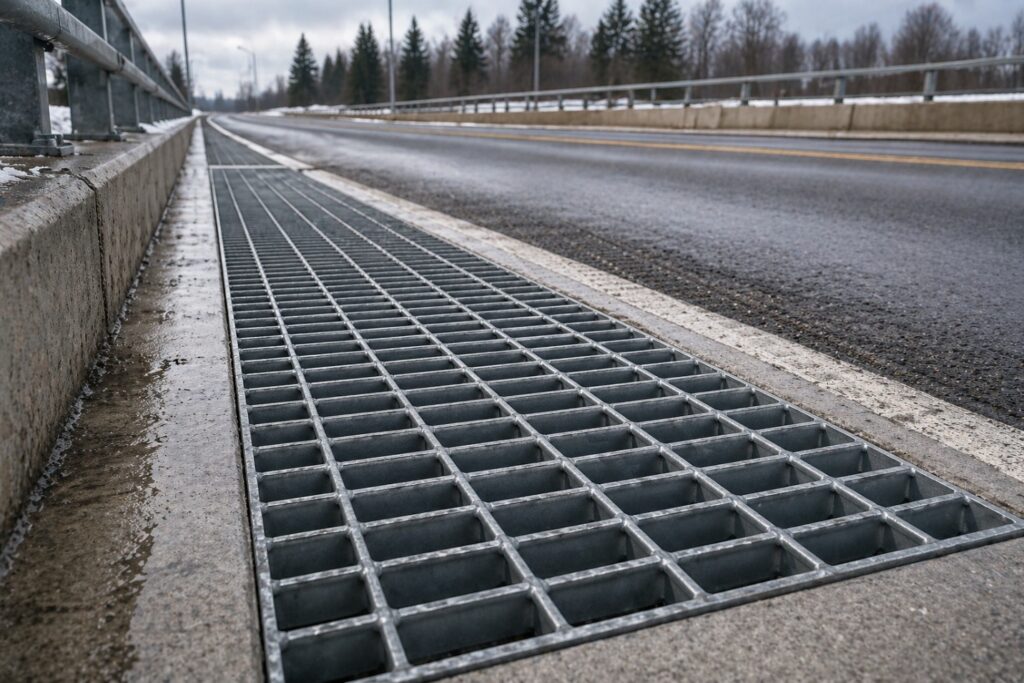
Roadways, bridges, and industrial access routes across Canada depend on materials that can handle heavy traffic, harsh weather, and long term wear. One of the most important but often overlooked components in these environments is the grating system. Roadway gratings projects in Canada rely on provide strength, drainage, and safety in areas where traditional solid surfaces may fail.
From municipal stormwater systems to industrial access roads, roadway gratings are designed to perform under constant pressure while allowing water, debris, and airflow to pass through. Their role in maintaining safe and functional infrastructure is critical.
In this guide, we will cover:
Table des matières

1. The Challenge of Roadway Infrastructure in Canada
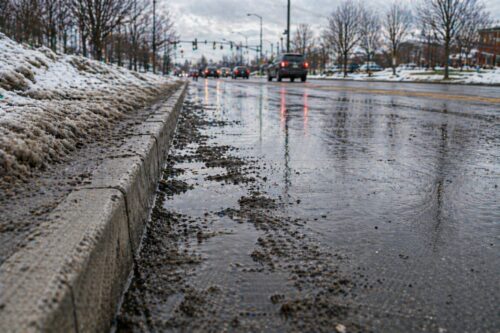
Roadway systems in Canada face demanding conditions year-round. Heavy vehicle traffic, freeze thaw cycles, snow, ice, and de icing salts all contribute to material wear and structural stress. Surfaces must remain stable and safe despite constant exposure to moisture and temperature fluctuations.
Water management is one of the biggest challenges. Poor drainage can lead to pooling, ice formation, and long-term damage to road surfaces. In industrial environments, debris and runoff can also create hazards if not properly managed.
At the same time, roadway components must support significant loads. Trucks, service vehicles, and heavy equipment place constant stress on surfaces, requiring materials that maintain their integrity over time.
Without the right grating system in place, infrastructure can experience increased maintenance, safety risks, and reduced lifespan.
2. How Roadway Gratings Solve These Problems
Roadway gratings are designed to address both structural and environmental challenges. Their open grid construction allows water, snow, and debris to pass through, reducing buildup and improving surface safety. This is especially important in Canadian climates where ice formation can create hazardous conditions.
In addition to drainage, gratings provide strong load bearing support. Bearing bars distribute weight evenly, allowing the grating to handle heavy vehicle traffic without deformation. This makes them suitable for areas where durability and safety are essential.
Roadway gratings infrastructure in Canada depends on also help reduce long term maintenance by preventing water damage and minimizing surface deterioration.
3. Key Types of Bar Gratings for Roadway Applications
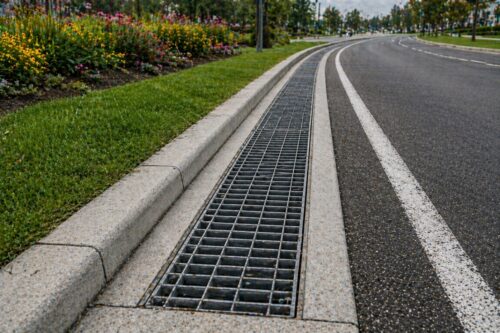
Different roadway environments require different grating solutions. Borden manufactures a complete range of bar gratings designed to meet these needs.
Riveted Bar Gratings
Riveted gratings are known for their exceptional strength and fatigue resistance. They are constructed by fastening connecting bars to bearing bars using rivets, allowing the structure to absorb vibration and repeated loading.
These gratings are often used in bridge decks, transit platforms, and high traffic areas where durability is critical.
Welded Bar Gratings
Welded gratings are created by resistance welding cross rods to bearing bars. This produces a rigid and reliable panel that performs well in standard roadway and drainage applications.
They are commonly used for trench covers, access points, and industrial roadways.
Pressure Locked Bar Gratings
Pressure locked gratings offer a clean and uniform appearance while maintaining strong load capacity. Cross bars are pressed into bearing bars, creating a tight mechanical fit.
These are often used in public infrastructure where both performance and appearance matter.
Squeeze Locked Bar Gratings
Squeeze locked gratings are manufactured by mechanically locking cross bars into bearing bars. This creates a consistent and durable structure suitable for pedestrian and light vehicle applications.
4. Where Roadway Gratings Are Used in Canada
Roadway gratings are used across a wide range of industries and infrastructure projects. Their versatility allows them to perform in both public and private settings.
Infrastructures municipales
Cities and municipalities rely on roadway gratings for stormwater management and drainage systems. They are commonly installed in roads, intersections, and pedestrian areas to prevent water buildup.
Bridges and Transportation Systems
Bridges and transit systems use gratings to provide durable walking and driving surfaces while allowing water and debris to pass through.
Installations industrielles
Industrial sites use roadway gratings in access roads, loading areas, and service platforms. These environments require materials that can handle heavy equipment and constant use.
Énergie et industrie lourde
Energy facilities and heavy industry operations depend on gratings for safe access and drainage in demanding environments.
5. Materials Used in Roadway Gratings
Material selection plays a key role in the performance of roadway gratings. The most common options include:
- Carbon steel for strength and heavy duty applications
- Aluminum for lightweight and corrosion resistant solutions
- Stainless steel for environments with high corrosion or chemical exposure
Each material offers different benefits depending on the application and environmental conditions.
Design Considerations for Roadway Gratings
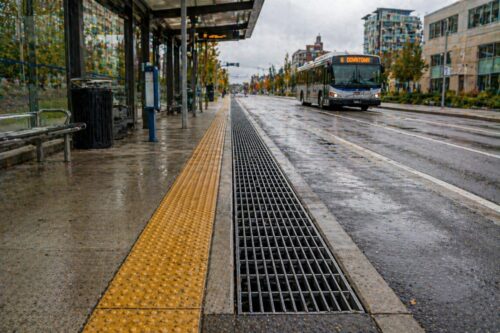
Selecting the right grating involves more than choosing a material. Several factors must be considered to ensure long term performance.
- Load requirements based on traffic type
- Environmental exposure including moisture and temperature
- Résistance au glissement et besoins de sécurité
- Drainage capacity and spacing
- Integration with surrounding infrastructure
Proper design ensures that roadway gratings meet both safety and performance expectations.
Benefits of Roadway Gratings
Roadway gratings offer several advantages for Canadian infrastructure:
- Improved drainage and reduced water buildup
- Enhanced safety through slip resistant surfaces
- Longue durée de service avec un entretien minimal
- Strong load bearing capacity for vehicles and equipment
- Versatility across different industries and applications
These benefits make them a reliable choice for projects that demand durability and performance.
FAQ rapide
What are roadway gratings used for
They are used to provide drainage and support in roads, bridges, industrial sites, and municipal infrastructure.
Can roadway gratings support heavy vehicles
Yes. They are designed to handle heavy loads from trucks and equipment when properly specified.
Do roadway gratings help prevent ice buildup
Yes. Their open grid design allows water and snow to drain away, reducing ice formation.
What materials are best for roadway gratings
Carbon steel, aluminum, and stainless steel are commonly used depending on the environment and load requirements.
Are roadway gratings suitable for outdoor use in Canada
Yes. They are designed to perform in harsh Canadian weather conditions including snow, ice, and temperature changes.
Since 1955, Borden Metal Products has been manufacturing high quality bar gratings trusted across Canada. Our roadway gratings are designed to deliver strength, durability, and reliable performance in demanding environments.
If you are planning a municipal, industrial, or infrastructure project, our team can help you select the right grating solution.
Contact us to book a consultation and learn more about our complete line of products