
A Guide to Aluminum Bar Gratings
Introduction
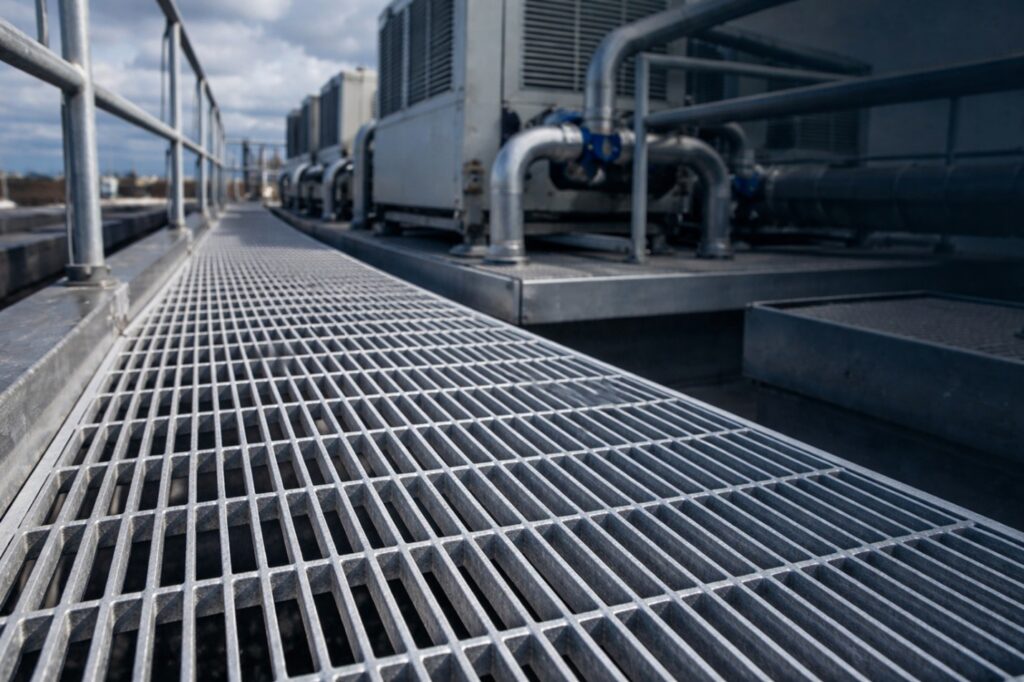
If you manage an industrial site, design buildings, or build infrastructure in southern Ontario, you’ve probably dealt with grating. Maybe it’s for a rooftop mechanical platform, a catwalk over process equipment, a trench cover in a loading area, or a walkway where water and debris need to fall through instead of pooling.
This aluminum bar gratings guide is written for facility managers, engineers, contractors, municipalities, architects, and industrial operators who need practical answers, not fluff. Aluminum bar grating is popular because it is lightweight, corrosion resistant, and easy to handle. But the right choice depends on where it will be installed, how it will be supported, what loads it will carry, and what safety and accessibility rules apply.
Table of Contents

Problem and Context
Industrial and infrastructure projects in southern Ontario face a few challenges that make grating decisions trickier than they look on paper.
For one, we get real seasons. Freeze-thaw cycles, road salt, and moisture can be hard on walking surfaces and supporting steel. If you have outdoor platforms, wastewater areas, transit-adjacent infrastructure, or loading zones that stay wet, corrosion and traction become everyday concerns. Even indoors, many facilities deal with washdowns, humidity, chemical exposure, or frequent temperature swings.
Then there’s the reality of access. A lot of grating exists because someone needs to get to a valve, pump, motor, rooftop unit, or service point. That means the surface has to be safe to walk on, safe to maintain, and stable under equipment carts and foot traffic. If the grating shifts, rattles, or gets removed and put back incorrectly, it can turn into a recurring risk.
Finally, there’s the coordination problem. Grating often shows up late in a project, after the structure is already built. Contractors may be working around existing supports, odd openings, and field measurements that don’t match early drawings. That’s where mistakes happen, like:
- Panels cut without proper edge finishing
- The span direction being flipped
- Fasteners that loosen under vibration
- Openings that don’t meet accessibility requirements
- Dissimilar metals installed together with no isolation
This aluminum bar gratings guide is meant to prevent those issues by walking through selection, sizing, compliance, and installation in a way that’s easy to apply on real job sites.
Core Strategy Breakdown
Think of aluminum bar grating as a system, not a product. The grating panel is only one part. The supports, the fasteners, the environment, and the intended use all matter.
Start with the job the grating needs to do
Before you pick bar spacing or surface type, get clear on the purpose. Most grating falls into one of these buckets:
- Walking surface: catwalks, mezzanine walkways, access platforms
- Equipment access: removable panels over trenches, pits, or mechanical runs
- Drainage and ventilation: areas where you want water, snow melt, debris, or airflow to pass through
- Protection: guarding openings while maintaining visibility and access
A walking surface has different needs than a trench cover. A trench cover often gets removed, so fastening and safe handling matter more. A permanent walkway may prioritize comfort underfoot, consistent support, and traction.
Understand the environment
Aluminum is often chosen because it resists rusting in wet environments, but you still need to plan for real-world conditions:
- Will the area be wet, oily, or icy?
- Will chemicals, washdowns, or salt spray be present?
- Is there vibration from equipment?
- Does the grating sit over heat, steam, or exhaust?
These conditions guide choices like serrated versus smooth surfaces, fastening methods, and whether you need removable panels or permanent attachment.
Think in loads and spans, not just “it feels strong”
Grating decisions should be tied to the maximum intended load and how the panel is supported. That includes:
- Foot traffic and maintenance loads
- Rolling loads from carts
- Point loads from tools, equipment, or stored items
- The spacing between supports
- The direction the bearing bars span
A common problem is mixing up the span direction. The bearing bars carry the load. If the panel is installed the wrong way, it can underperform even if it looks fine.
Balance safety, accessibility, and performance
Grating openings are useful because they drain and ventilate. But openings also create risk if they’re too large for safe footing, or if they conflict with accessibility needs.
Even if you are not building an “ADA” project in Ontario, accessibility thinking still matters. Some sites must provide accessible routes. Others need to reduce trip hazards and support safe movement for a wide range of users. Opening size, orientation, and underfoot comfort are part of designing a surface people can use.
Plan for installation and long-term maintenance
Grating gets abused in daily operations. It gets removed, reinstalled, driven over, pressure-washed, and exposed to grime. A good strategy includes:
- Edge treatment and banding that holds up
- Fasteners that don’t loosen easily
- Panel layout that supports safe removal and replacement
- Clear labeling for removable panels
- Isolation between dissimilar metals to reduce corrosion risk at contact points
If you keep these strategy points in mind, the “spec details” become much easier to choose. The rest of this aluminum bar gratings guide breaks that down into six practical chapters.
1. What Is Aluminum Bar Grating Used for in Industrial and Commercial Construction?
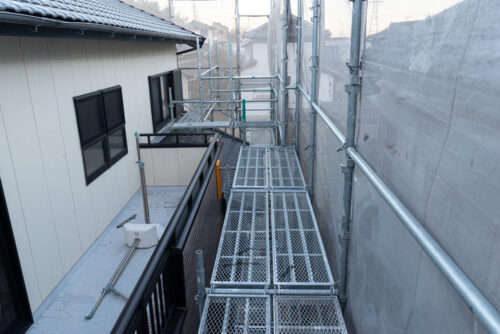
Aluminum bar grating is used anywhere you need a strong walking or working surface that still lets water, air, and debris pass through. In industrial and commercial builds across southern Ontario, it shows up in places where slip risk, drainage, and corrosion are ongoing concerns.
Common applications include:
- Catwalks and elevated walkways around equipment
- Mezzanine platforms and service corridors
- Rooftop mechanical access platforms
- Trench covers in maintenance bays and loading areas
- Water and wastewater facilities where surfaces stay wet
- Stair treads and landings where traction and drainage matter
Aluminum is often chosen because it’s lightweight and corrosion resistant, which makes installation easier and ongoing maintenance safer—especially when panels need to be removed for access to valves, pits, or mechanical runs. It’s also a practical choice for outdoor exposure, where moisture and de-icing products can shorten the life of other materials.
Read the article: What Is Aluminum Bar Grating Used for in Industrial and Commercial Construction?
2. When Should You Choose Aluminum Bar Grating Instead of Steel Bar Grating?
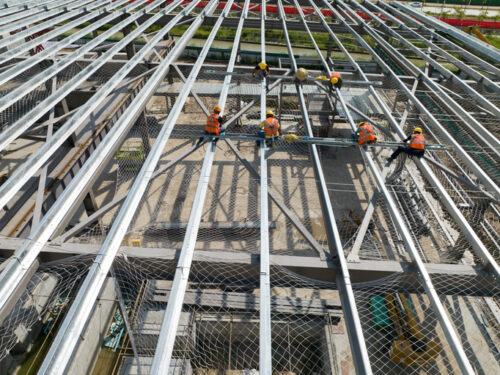
This choice usually comes down to environment, handling, and load type. Steel is often used in high-impact, heavy-duty zones. Aluminum is often used where corrosion resistance and lighter panels make the most practical sense. On many sites, both materials get used—just in different areas.
Choose aluminum when corrosion is a major concern
If the grating will be exposed to water, humidity, washdowns, chemicals, or salt, aluminum is often the better long-term option for the grating itself. This is especially common in:
- Wastewater and water infrastructure
- Food and beverage washdown areas
- Outdoor catwalks and access platforms
- Transit or municipal spaces exposed to moisture and de-icing products
Choose aluminum when panels need to be handled often
If teams regularly remove panels to access trenches, valves, or mechanical runs, aluminum’s lighter weight can make a big difference. It reduces strain, speeds up maintenance, and makes it more likely the area gets serviced the way it should.
Watch for impact and concentrated loads
Aluminum can meet many industrial load requirements, but it isn’t always the best fit for extreme abuse. If your site has forklift traffic directly on the grating, frequent impact from dropped parts, large point loads, or heavy rolling loads on narrow wheels, selection needs more care. Aluminum may still work—but sizing, support spacing, and panel construction must match the real conditions.
Indoor vs outdoor is often the tipping point
Indoors, aluminum is common for mezzanines and service platforms. Outdoors, corrosion resistance becomes even more valuable, especially with snow melt and salt. One practical note: aluminum panels are often supported by steel, so fastening and isolation details matter to avoid corrosion issues where materials meet.
Read the article: When Should You Choose Aluminum Bar Grating Instead of Steel Bar Grating?
3. How Do You Size Aluminum Bar Grating for Load and Span?
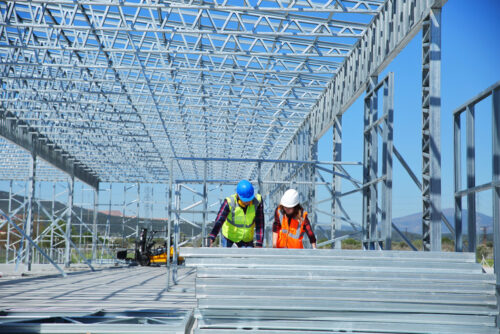
Sizing is where grating goes from “looks right” to “is right.” Performance depends on three things: load, span, and support. If any one of those is off, the grating can feel bouncy, wear faster, or fail to meet the demands of the space.
Span is the distance between supports
Span is the clear distance between the structural supports holding the panel up—beams, angles, channels, ledgers, or frames. The farther apart the supports are, the more capacity you’ll need from the bearing bars to maintain strength and control deflection.
Bearing bars do the heavy lifting
Bearing bars are the primary load-carrying parts of the grating. Cross bars help keep spacing and add stability, but they don’t replace proper bearing bar sizing. One common jobsite mistake is installing panels the wrong way. If the bearing bars aren’t spanning the intended direction, the panel can feel unsafe even if it “fits.”
Match the grating to the load type
Most sites see a mix of:
- Uniform loads from foot traffic
- Point loads from ladders, tools, or equipment feet
- Rolling loads from carts and maintenance gear
Rolling loads need extra attention because narrow wheels concentrate force in small contact areas. If rolling traffic is expected, it should be part of the selection from the start.
Don’t ignore deflection
Even if grating meets strength requirements, too much deflection can feel unstable. On elevated platforms, that “bounce” can change how people use the space and increase safety risk over time. Good sizing aims for both adequate capacity and reasonable deflection based on accepted load tables and design practice.
The inputs you need to size correctly
To select the right panel, you typically need:
- Maximum intended load and load type
- Support spacing and layout
- Permanent vs removable panels
- Environment and surface conditions
- Any opening limits tied to accessibility or safety
With those details, a fabricator can match bearing bar size and spacing to the real span and load case.
Common sizing pitfalls to avoid
Issues that cause problems later include support spacing changes in the field, cut panels without reinforced edges, uneven supports that cause rocking, mismatched fasteners, and overlooking rolling loads or access requirements.
Read the full article: How Do You Size Aluminum Bar Grating for Load and Span?
What’s the Difference Between Swaged, Pressure-Locked, and Riveted Aluminum Bar Grating?
These terms describe how the cross bars connect to the bearing bars. The connection style affects appearance, stiffness, and typical use cases. It can also affect how the grating behaves under vibration and repeated use.
Swaged aluminum bar grating
Swaged grating uses a connection method that mechanically joins cross bars to bearing bars. In many industrial settings, swaged aluminum grating is common because it provides a solid panel feel and is widely available in standard configurations.
It’s often selected for:
- Industrial walkways and platforms
- Mezzanines and equipment access areas
- General-purpose service surfaces
Pressure-locked aluminum bar grating
Pressure-locked (often called press-locked) grating uses a tight mechanical fit between members. It is often chosen for a clean, consistent look and is common in architectural and commercial applications where appearance matters.
It can be a good fit for:
- Commercial and institutional facilities
- Public-facing infrastructure areas
- Projects where the grating is visible and aesthetics matter
Riveted aluminum bar grating
Riveted grating uses rivets as part of its connection method and is often associated with heavier-duty performance in certain applications. It may be considered where extra rigidity is desired and where vibration or dynamic loads are a concern.
It can be a good fit for:
- High-traffic industrial access routes
- Areas with vibration from equipment
- Heavier-duty platform applications
How to choose between them
Most teams choose based on a few practical questions:
- Is this mostly industrial and hidden, or visible and architectural?
- Is vibration an issue near equipment?
- Are panels removed often for access?
- Do you want a panel feel that is more rigid underfoot?
- Are you matching an existing system on site?
For many industrial projects, availability and standardization matter too. Using one type consistently across a facility can simplify replacement and maintenance later.
Read the full article: What’s the Difference Between Swaged, Pressure-Locked, and Riveted Aluminum Bar Grating?
5. Is Aluminum Bar Grating ADA Compliant?
Even though ADA is a U.S. standard, the concepts are widely used as a common reference for safe, accessible surfaces. In Ontario, you’ll also be thinking about local building code requirements and accessibility expectations for public and commercial spaces. So it’s still useful to understand ADA-style rules because they translate into practical design choices.
This chapter is included in the aluminum bar gratings guide because opening size and orientation are common sources of rework.
The big idea is opening size and orientation
Accessibility guidance for grates often focuses on two issues:
- Openings should not be so large that wheels, canes, or heels can get caught
- If openings are elongated, orient them so they are safer in the direction people travel
A commonly referenced rule is limiting openings to about 13 mm (1/2 inch) in the direction of travel on accessible routes. Another common guideline is that if there are elongated openings, the long dimension should be perpendicular to the main direction of travel.
Heel-safe vs accessible route considerations
Some projects use “heel-safe” spacing to improve comfort and reduce the chance of a heel getting caught. Accessibility concerns can be broader, especially when mobility devices are part of the design.
In practical terms, tighter spacing can mean:
- Safer footing for a wider range of footwear
- Better compatibility for mobility devices
- Less chance of small tools or parts falling through
But tighter spacing can also reduce open area, which may affect drainage. That’s why it’s important to decide what matters most in each zone.
A quick checklist for compliance planning
When aluminum grating might fall on an accessible route or a public-facing surface, confirm:
- Opening size in the direction of travel
- Orientation of elongated openings
- Transitions between grating and solid flooring
- Surface traction, especially when wet
- Whether the route is intended for the public, staff only, or both
If you’re working on a municipality, transit, or institutional project, it’s worth addressing these requirements early so you don’t end up replacing panels after installation.
Read the full article: Is Aluminum Bar Grating ADA Compliant?
6. How Is Aluminum Bar Grating Typically Fastened and Finished?
Installation details are what turn a good product into a safe, long-lasting walking surface. The two big goals are simple: keep panels secure, and keep edges durable.
Common fastening approaches
Grating is often fastened with clips or hold-down devices designed for the support type. The “right” fastening depends on whether the panel is meant to be removable.
For permanent panels, fastening aims to:
- Prevent panel movement and vibration
- Keep the walking surface stable
- Reduce noise and rattling
- Maintain consistent bearing on supports
For removable access panels, fastening also needs to:
- Allow safe removal and reinstallation
- Keep panels aligned so edges do not become trip points
- Make it obvious when a panel is not seated correctly
A practical tip for facilities is to standardize fasteners where possible. That makes maintenance easier and reduces the chance of improvised fixes.
Banding and edge finishing
When grating is cut to fit field conditions, edge finishing becomes important. Banding can help:
- Stiffen panel edges
- Protect cut ends
- Reduce sharp edge risk
- Improve handling during installation and removal
Edges are where damage tends to happen, especially on panels that are removed often. If trench covers are constantly lifted, good edge treatment can significantly improve lifespan and safety.
Galvanic corrosion and dissimilar metals
Aluminum panels are often supported by steel. When dissimilar metals contact each other in the presence of moisture, galvanic corrosion risk increases. You can reduce this risk by using appropriate isolation methods at contact points, along with correct fastener selection for the environment.
This matters most in wet locations, outdoors, and anywhere road salt or washdown water is common.
Layout and labeling for long-term maintenance
If your facility has multiple removable panels, consider:
- Consistent panel sizing where possible
- Simple identification marks so panels go back to the right spot
- Clear access planning so teams do not pry panels up in unsafe ways
Facilities run smoother when access is easy. Grating is often an access system first, and a walking surface second.
Read the full article: How Is Aluminum Bar Grating Typically Fastened and Finished?
Quick FAQ
Are aluminum bar gratings good for outdoor platforms in Ontario winters?
Yes, they’re commonly used outdoors because aluminum resists rusting, and the open design helps water and snow melt drain away. Traction choice matters.
Should I pick serrated or smooth aluminum grating?
Serrated surfaces are often preferred where wet or slippery conditions are expected. Smooth surfaces can be easier to clean in some indoor environments.
What causes grating to rattle or feel loose?
Usually inadequate hold-downs, uneven supports, or panels that are not seated properly after removal. Vibration near equipment can make this worse.
Can aluminum bar grating be used for trench covers?
Yes, it’s common for trench covers, especially when corrosion resistance and removable access are important. Edge finishing and safe handling should be planned.
What’s the most common grating mistake on a job site?
Installing panels with the span direction wrong or cutting panels without proper edge treatment and then struggling with rocking, sharp edges, or early damage.
Since 1955, Borden Metal Products (Canada) Ltd. has been a trusted name in bar-on-edge gratings. Based in Beeton, Ontario, we produce a complete line of riveted, welded, pressure locked, and squeeze locked bar gratings in carbon steel, aluminum, and stainless steel.
Our team has built a reputation synonymous with quality and dependability across Canada. If you’re planning a project that requires durable, safe, and long-lasting gratings, we can help.
Contact us today to book a consultation with our experts and explore the right bar grating solution for your needs.