
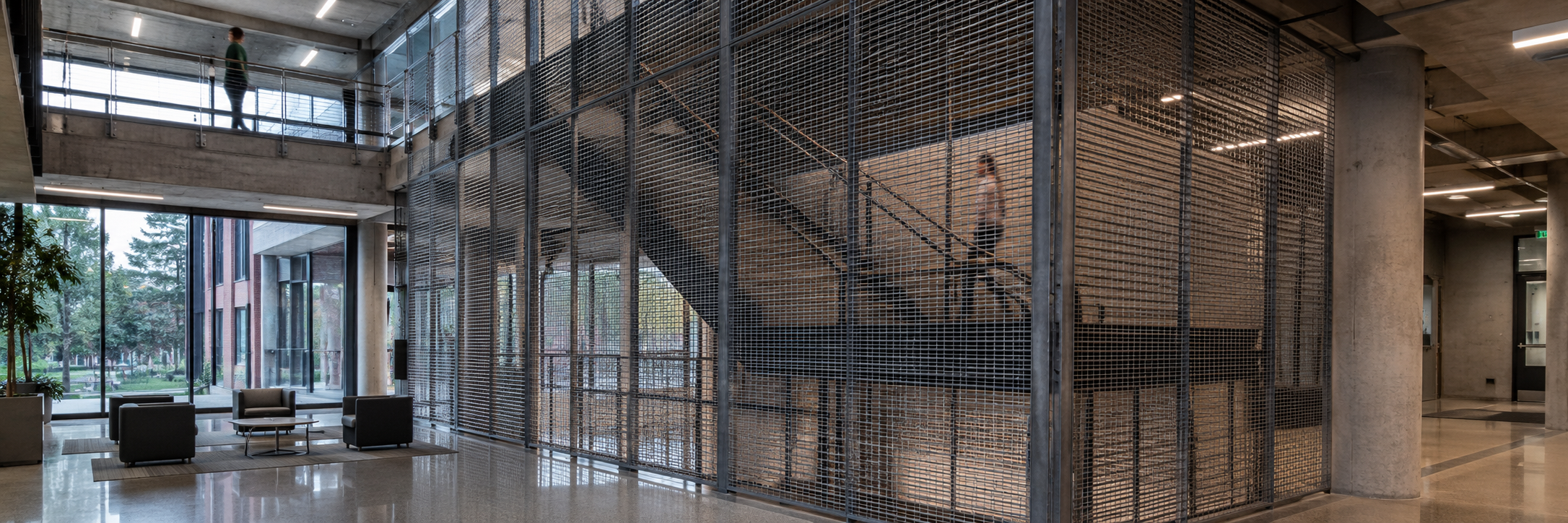
Pressure locked architecture grating is used in modern building design for screens, partitions, façades, sunshades and other visible features that balance appearance, airflow, light and durability.
Metal grating is often thought of as an industrial flooring product, but it can also serve a strong architectural purpose. In commercial, institutional and public buildings, grating may be used where the design needs structure, openness and a clean visual rhythm.
Pressure locked architecture grating is especially useful in visible areas because of its straight lines, smooth appearance and flexible spacing options. It can help architects and builders create screens, partitions and exterior features that look intentional, not purely functional.
Clean Lines for Modern Spaces
Modern buildings often combine concrete, glass and steel. Pressure locked architecture grating fits well with these materials because it has a simple, orderly pattern.
Its clean grid can add texture without making a space feel heavy. This makes it useful for lobbies, stair areas, atriums, transit spaces, institutional buildings and commercial interiors where the grating will be seen every day.
Screens, Partitions and Façade Features
Architectural grating can help define space without fully closing it off. It can create privacy while still allowing light and air to move through.
Common uses include:
- Decorative interior partitions
- Stair and elevator screens
- Façade panels
- Rooftop equipment screens
- Sunshades and ventilation panels
- Ceiling or overhead design features
Pressure locked architecture grating can also be used to screen mechanical equipment while maintaining airflow for service areas.
Balancing Visibility, Airflow and Privacy
The right bar spacing depends on what the feature needs to do. A more open pattern can allow greater visibility and airflow. A tighter pattern can provide more privacy, shade or visual separation.
This balance is especially important for public-facing buildings, where the grating may need to support both performance and design goals.
Key Considerations for Materials and Integration
Material choice should match the location. Aluminum may be useful where lower weight is important. Stainless steel may suit exposed, high-visibility or more corrosive environments. Carbon steel may be appropriate for many interior or protected applications.
Design teams should also consider:
- Attachment points and framing
- Panel size and weight
- Finish and appearance
- Exposure to weather or moisture
- Cleaning and long-term access
Design With Purpose
Pressure locked architecture grating gives designers a practical way to add texture, openness and durability to modern buildings. When specified carefully, it can support both the visual design and the building’s day-to-day performance.
Borden Metal Products has manufactured bar-on-edge gratings in Beeton, Ontario, since 1955.
Discuss Your Grating Requirements
Review Borden’s pressure locked grating options to learn more about available configurations.
Read the complete guide to pressure locked grating for a broader overview of applications and selection.
Contact us to discuss your project requirements with the Borden team.
Quick FAQ
Architectural grating is commonly used for façades, screens, partitions, sunshades, ceilings, stair areas and mechanical equipment screening.
Yes. Bar spacing can be selected to provide more or less visibility, depending on the level of privacy, airflow and light required.
Common options include aluminum, stainless steel and carbon steel. The best choice depends on weight, exposure, appearance and maintenance needs.