
Pressure locked bar grating is made by hydraulically pressing precisely slotted cross bars and bearing bars together to form a permanent mechanical lock.
Metal grating must remain stable under regular use while fitting the load, span and environment of the project. Its performance depends partly on how the bars are connected.
Pressure locked bar grating uses hydraulic force rather than welded joints to create a rigid, uniform panel. Understanding this process can help facility managers, contractors and designers decide where it fits their project.
How the Mechanical Lock Is Formed
The grating contains load-carrying bearing bars and connecting cross bars. Both are prepared with precise slots before they are assembled.
During manufacturing, hydraulic pressure forces the bars together. The cross bars are pressed firmly into the bearing bars, creating a permanent mechanical lock at each connection.
This process keeps the bars aligned and produces consistent spacing across the panel. It also creates the smooth lines and orderly appearance associated with this type of grating.
Why the Construction Provides Stability
Cross bars help hold the bearing bars in position and provide lateral support across the panel. This makes pressure locked bar grating suitable for many applications where stability and a clean finish are both important.
Common uses include:
- Industrial walkways and equipment platforms
- Mezzanines and stair landings
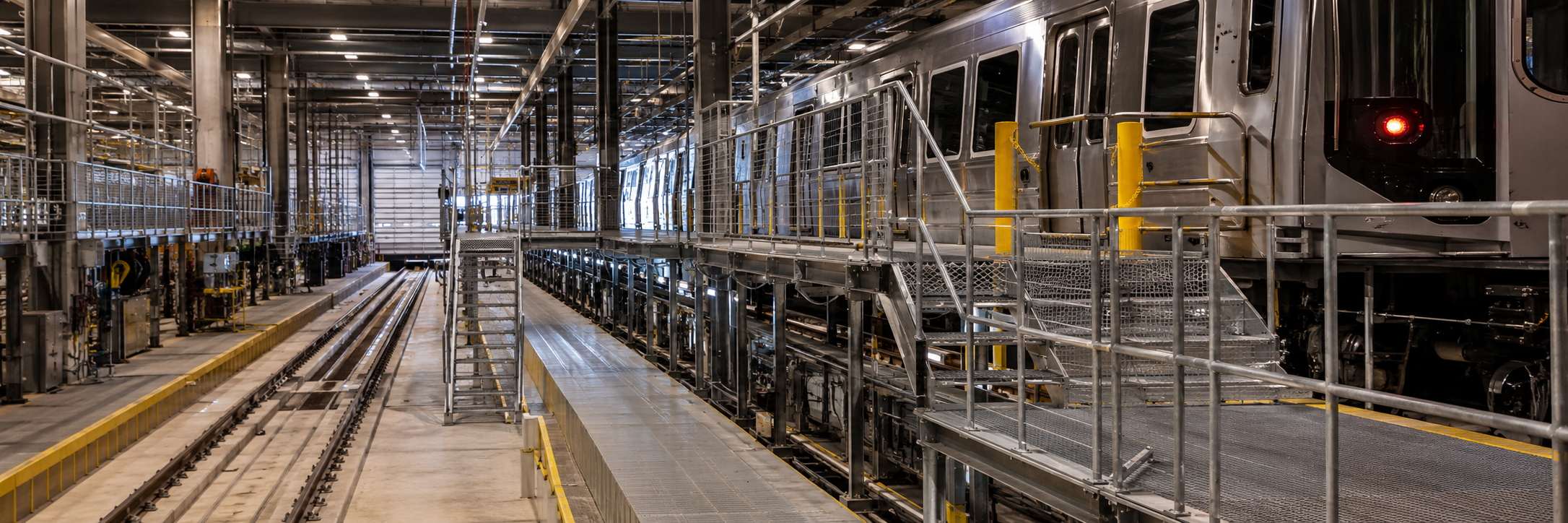
- Municipal and transit facilities
- Architectural screens and sunshades
- Commercial and institutional buildings
The open grid can also allow air, light, water and some debris to pass through.
How the Process Supports Custom Design
The mechanical locking method allows manufacturers to produce different bar sizes and spacing arrangements. This gives project teams more control over the panel’s open area, appearance and intended use.
Pressure locked bar grating may be manufactured from carbon steel, aluminum or stainless steel. The appropriate material depends on factors such as moisture, corrosion exposure, panel weight and maintenance requirements.
Key Factors Still Require Careful Review
The manufacturing method does not replace proper design. Engineers and specifiers must still consider load, clear span, bearing bar direction, supports, fasteners and applicable building or safety requirements.
Outdoor projects in Southern Ontario may also require protection from moisture, snow, road salt and freeze-thaw conditions.
Choose Grating Based on the Complete Application
Pressure locked bar grating combines a durable mechanical connection with consistent spacing and flexible design options. The final specification should match the project’s structural, environmental and visual requirements.
Borden Metal Products has manufactured bar-on-edge gratings in Beeton, Ontario, since 1955.
Discuss Your Grating Requirements
Review Borden’s pressure locked grating options and available configurations.
Read the complete guide to pressure locked grating for more information about materials, applications and selection.
Contact Borden to discuss the requirements of your project.
Quick FAQ
No. The bars are joined by hydraulic pressure, which creates a permanent mechanical lock between the precisely slotted components.
Bearing bars carry the load between the structural supports. Their size, spacing and direction are important parts of the grating design.
Yes. Bar sizes and spacing can be adjusted to suit drainage, airflow, appearance, pedestrian use and other project requirements.