
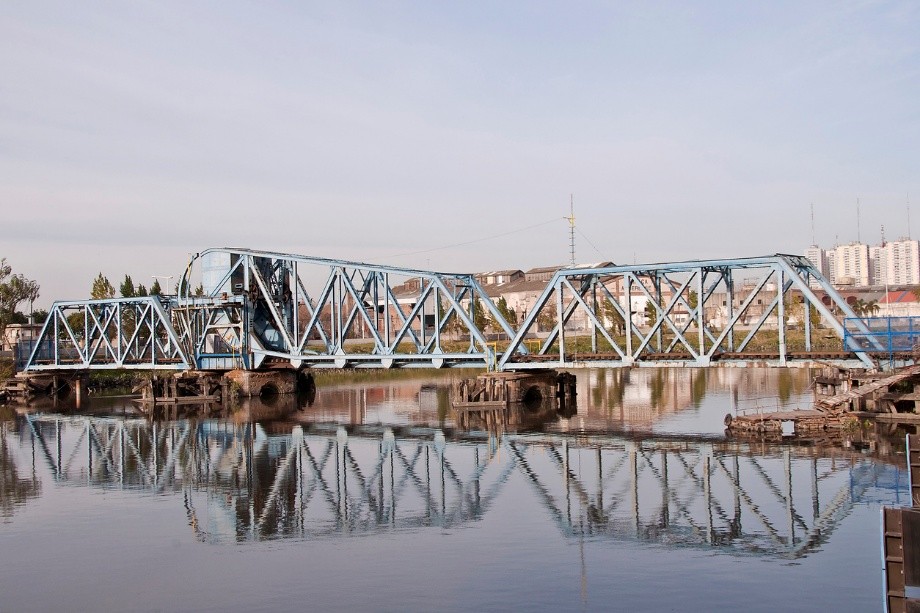
A bascule lift bridge often uses open-pattern roadway grating because it helps reduce deck weight, allows air and water to pass through, and provides strength for vehicle traffic.
A bascule lift bridge is a movable bridge that opens by raising one or more sections of the roadway deck. Because the bridge has to move, every material choice matters. The deck needs to be strong enough for traffic, but not so heavy that it makes the lifting system work harder than necessary.
That is one reason open-pattern roadway grating is often considered for these projects. It can support vehicles while allowing air, rain, snow, slush, and debris to pass through the surface. For municipalities, engineers, contractors, and transportation teams, this balance of strength and function is important.
This article explains why grating is used on lift bridges and what to consider when selecting the right product.
Open Grating Helps Reduce Deck Weight
Weight is a major factor in any bascule lift bridge project. A lighter deck can help reduce stress on the bridge structure, counterweights, and mechanical lifting systems.
Open roadway grating provides a strong driving surface without the solid mass of a full deck plate. This can be helpful in bridge applications where the structure must move regularly and perform reliably over time.
For designers and engineers, the goal is not just to make the bridge lighter. The grating must still meet the required load capacity for vehicles, maintenance equipment, and daily use.
Airflow and Drainage Support Performance
Open-pattern grating also allows air to pass through the deck. On exposed bridges, this can help reduce wind resistance compared with a solid surface. That matters on movable bridge structures where stability and mechanical performance are part of the design.
Drainage is another key benefit. A bascule lift bridge is exposed to rain, snow, ice, and road salt, especially in Ontario. Grating helps water and slush drain through instead of collecting on the driving surface.
Better drainage can help reduce:
- Pooling water
- Ice buildup
- Debris accumulation
- Long-term surface wear
Strength Still Comes First
Even when weight and drainage are important, strength cannot be treated as secondary. Roadway grating must be selected based on traffic loads, span, material, and installation requirements.
Borden produces a complete line of gratings in riveted, pressure locked, squeeze locked, and resistance welded construction. Options are available in carbon steel, aluminum, and stainless steel alloys, depending on the application and exposure conditions. A properly specified grating system helps support long-term bridge performance and roadway safety.
Key Considerations
Before choosing grating for a movable bridge, project teams should review load requirements, fatigue resistance, drainage needs, slip resistance, corrosion exposure, and maintenance access. Local codes, transportation standards, and engineering specifications may also affect the final design.
For a bascule lift bridge, early coordination between engineers, contractors, and the grating manufacturer can help prevent costly changes later.
FAQ rapide
A bascule lift bridge is a movable bridge that raises part of its deck to allow boats or other traffic to pass underneath.
Open grating helps reduce deck weight, improve drainage, allow airflow, and support vehicle loads when properly specified.
Common materials include carbon steel, aluminum, and stainless steel, depending on strength needs, corrosion exposure, and project specifications.
Next steps
Roadway grating can be a practical choice for lift bridge applications because it supports strength, drainage, airflow, and weight reduction. When properly specified, it helps the bridge perform safely while standing up to demanding outdoor conditions.
To explore related products, review Borden’s roadway gratings or read the full guide to roadway gratings in Canada. For support with your next project, get in touch with Borden Gratings.